4121 Edith Blvd. NE
Albuquerque, NM 87107
(505) 872-3408
4121 Edith Blvd. NE Albuquerque, NM 87107
(505) 872-3408
Free Resources
Download All Free Resources to Live a Healthy Lifestyle.
FREE RESOURCES
We’re here for our community. These Resources Will Help Get You Started.
Whether you need help with creating the right strategy, help with nutrition, or help with a complete workout plan and what to do each week, we’ve compiled some of our best resources below to help you get started! Pick the one that fits you best and get started today, completely free!
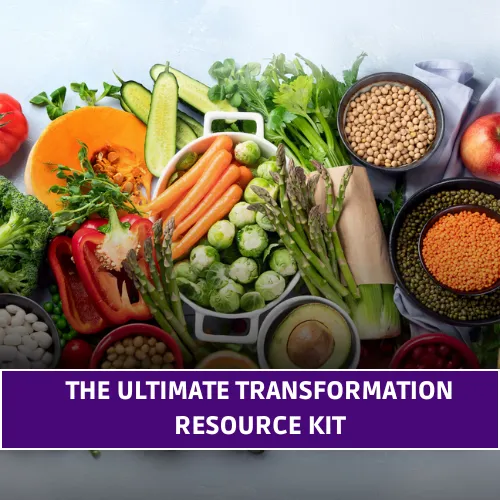
The Ultimate Transformation Resource Kit
From nutrition plans, to forming healthy habits, to how to meal prep, these 10 resources are staples to creating and maintaining a healthy lifestyle. Click the button below to download and begin using!
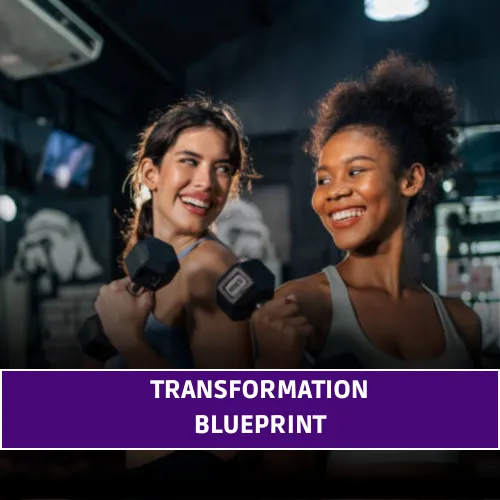
Transformation
Blueprint
Not sure where to get started? It all starts with a plan. And this plan is yours. Download our Transformation Blueprint and use it to design the perfect plan for you and your goals.
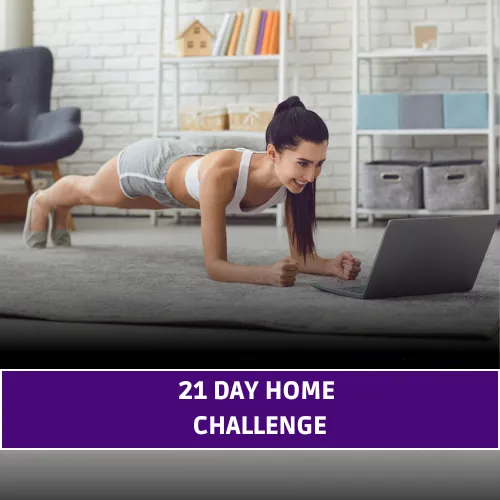
21 Day Home
Challenge
Ready to begin working out and following a plan? We created this 21 Day At-Home Challenge for our members when they would leave for vacation or head out of town for work, and now we’re giving it to you for free! Transform any time, any place by clicking the button below and getting started!
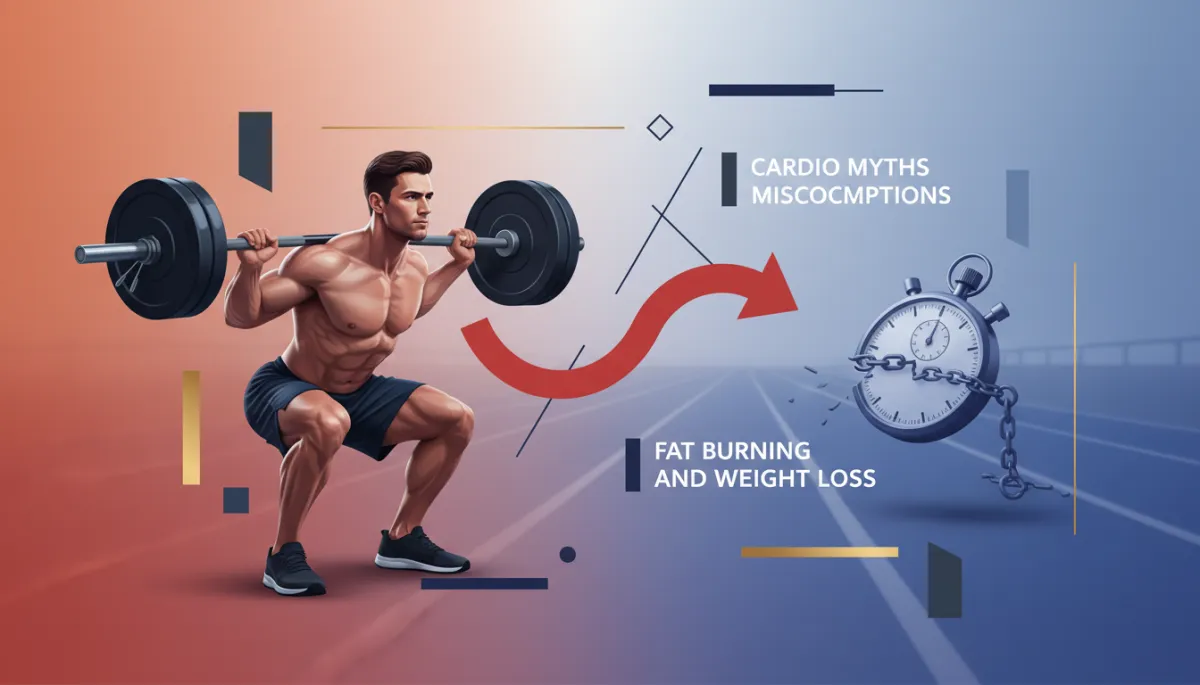
The Truth About Weight Loss: Cardio Myths Debunked
Weight Loss, Cardio Myths, Fitness Strategies
The Truth About Weight Loss: Why Cardio Is Holding You Back
Endless treadmill sessions, sweat dripping, heart pounding—yet the scale barely moves. If this sounds familiar, you are not alone. Many people chasing weight loss have been told that more cardio is always the answer. But the truth about weight loss is more nuanced, and relying on cardio alone might actually be slowing your progress.
The Truth About Weight Loss: It Starts With Energy Balance
At its core, weight loss comes down to a simple principle: you must consistently burn more energy than you consume. This is known as a calorie deficit. However, simple does not mean easy, and this is where exercise misconceptions begin to creep in. Many people assume that if they just do more cardio, they can “outrun” a poor diet and watch the fat melt away. In reality, nutrition drives the majority of your results, while training shapes how your body looks and performs as you lose weight.
A 30‑minute jog might burn 250–300 calories, which can be undone in a few bites of dessert. When you rely on cardio as your primary fat loss tool, you are playing a constant game of catch‑up with your plate. Understanding this basic truth about weight loss helps you see why smarter fitness strategies matter far more than simply adding another hour on the bike.
Cardio Myths That Keep You Stuck
When it comes to cardio myths, a few ideas show up again and again—and they can quietly sabotage your progress if you believe them.
Myth 1: Cardio is the best way to burn fat. Steady‑state cardio does burn calories, but it is not uniquely magical for fat burning. Strength training and higher‑intensity intervals can match or exceed its impact, especially when you factor in long‑term metabolism changes.
Myth 2: The “fat‑burning zone” is where the magic happens. Machines often highlight a specific heart‑rate zone labelled for fat burning. While you may burn a higher percentage of calories from fat at lower intensities, you burn fewer total calories overall. For weight loss, total energy burned across the day matters more than staying in a particular zone.
Myth 3: More cardio always equals more results. Piling on extra sessions can drive fatigue, joint stress, and hunger. You may end up eating more, moving less outside the gym, and stalling your progress despite working harder.
Why Cardio Alone Can Hold You Back
Cardio is not the villain—but depending on it as your main strategy can limit your progress in several ways. First, your body adapts. Over time, the same 30‑minute run burns fewer calories as your efficiency improves. To keep getting the same effect, you must go longer or harder, which is not always realistic or sustainable.
Second, excessive cardio without strength training can cost you muscle. Muscle is metabolically active tissue; it helps keep your resting metabolism higher and shapes your physique as you lose fat. If your approach to fat burning is hours of cardio and aggressive dieting, your body may shed muscle along with fat. The result: you reach a lower body weight but feel softer, weaker, and more prone to weight regain.
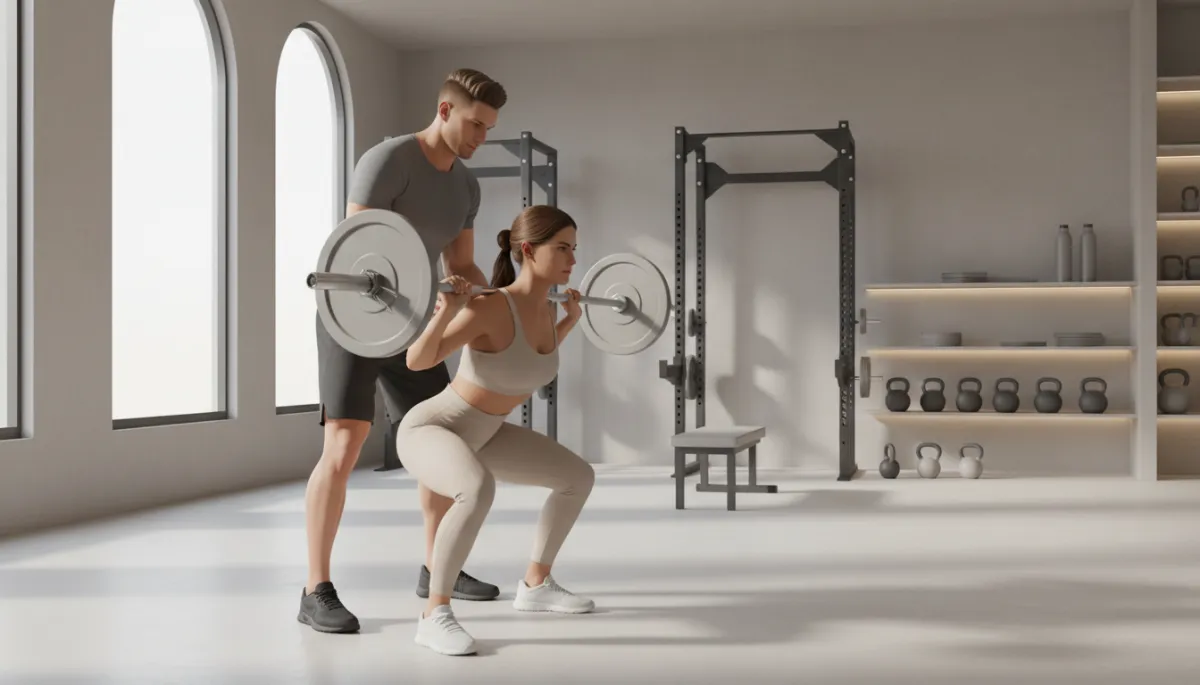
Prioritizing strength work preserves muscle and boosts long‑term fat loss results.
Finally, long, monotonous sessions can drain your motivation. When your entire plan revolves around grinding out cardio, it is easy to burn out mentally and physically. Sustainable fitness strategies should support your lifestyle, not dominate it.
💡 Pro Tip: If weight loss has stalled despite regular cardio, do not automatically add more. Reassess your nutrition and training balance first.
Smarter Fitness Strategies for Lasting Fat Burning
To move beyond these exercise misconceptions, shift your focus from “How much cardio can I do?” to “How can I train and eat in a way I can maintain?” Here are practical strategies that align with how your body truly loses fat:
Prioritize strength training. Aim for at least two to four full‑body sessions per week. Compound movements like squats, rows, presses, and deadlifts recruit more muscle, increasing calorie burn during and after your workout while protecting lean mass during weight loss.
Use cardio strategically, not compulsively. Include moderate amounts of cardio—such as brisk walking, cycling, or intervals—to support heart health and add to your total energy expenditure. Think of it as a supporting tool, not your main fat‑loss weapon.
Dial in your nutrition. Create a modest calorie deficit through portion control, higher‑protein meals, and mostly whole foods. This makes weight management more predictable and reduces the temptation to use punishing workouts to “earn” your food.
Move more throughout the day. Non‑exercise activity—like walking, taking the stairs, and standing more—can quietly burn significant calories without stressing your body the way endless cardio sessions do.
Rethinking Cardio for Better Results
The goal is not to demonize cardio—it is a valuable tool for health, endurance, and even fat burning when used wisely. The real issue lies in the story many of us have been sold: that sweating more on the treadmill is the ultimate key to a lean body. Once you understand the truth about weight loss, you can see cardio for what it is: one piece of a much larger puzzle.
By challenging common cardio myths, letting go of outdated exercise misconceptions, and embracing balanced fitness strategies that prioritize strength, smart cardio, and sustainable nutrition, you give yourself permission to work with your body—not against it. You will likely spend less time suffering through workouts you dread and more time seeing the steady, meaningful changes you have been chasing all along.

Hi! We're A Local Gym In Albuquerque, New Mexico
Established in 2012, eVOLV Strong is a unique fitness studio with that has served tens of thousands of satisfied clients. We pride ourselves on getting you the results you desire through real work, real food and a supportive and all inclusive atmosphere. The eVOLV Fitness Experience is like no other. Have a little trust and faith in our professional approach to fitness and come try us out. You won’t be disappointed - guaranteed!


Important Info
Staffed hours
Monday - Thursday
5:00 AM - 7:30 PM
Friday
5:00 AM to 7:00 PM
Saturday
7:00 AM to Noon
Sunday
8:00 AM to Noon
By Appointment